

Hongfeng Quality Control: How Builds a Machine That Makers Sparkling Water
A soda maker fails in the field for one of two reasons: gas escapes where it should not, or pressure releases where it should be held. Neither fault is visible on a finished unit. Catching them means testing at specific points — on every unit, not a sample. Each inspection is conducted internally within Hongfeng, and what each one saves you.
Raw Material Control: How We Qualify Suppliers for a Machine to Maker Water Sparkling
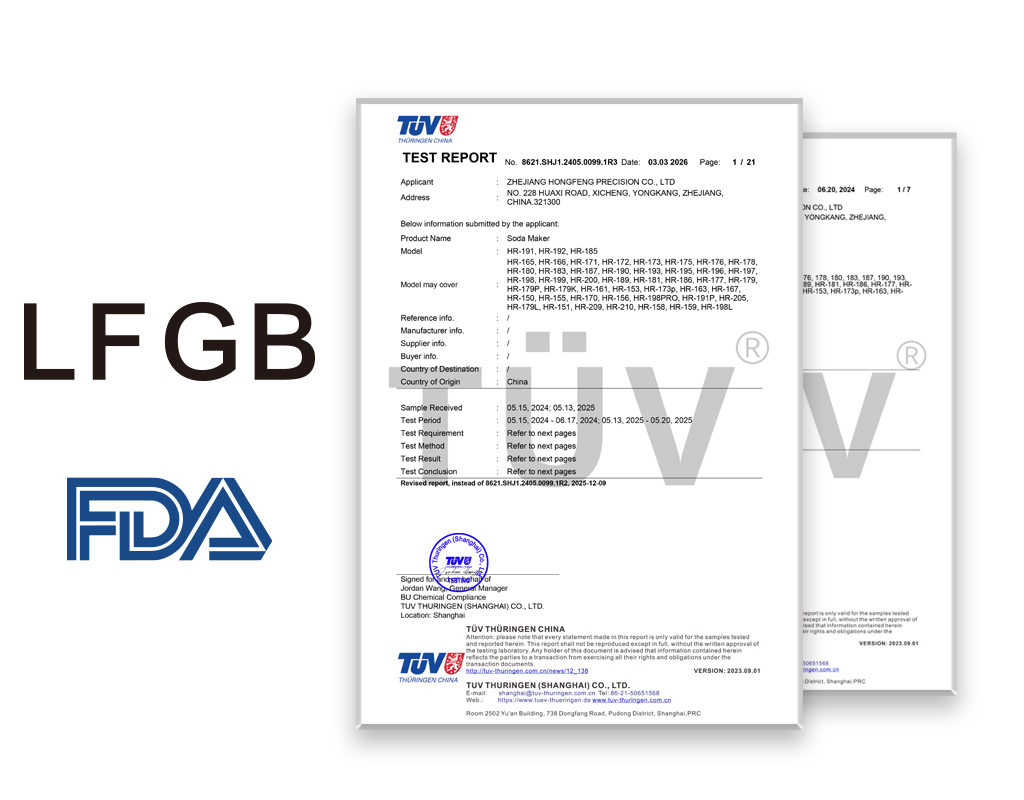
Quality starts before a single part is molded. Every component supplier passes a formal evaluation, and two documents are non-negotiable:
ISO 9001 proves the supplier runs a documented, auditable quality system, not a workshop operating on habit.
COC / COA gives us the actual batch composition and test results. We check the certificate against the delivered lot, not a datasheet written three years ago.
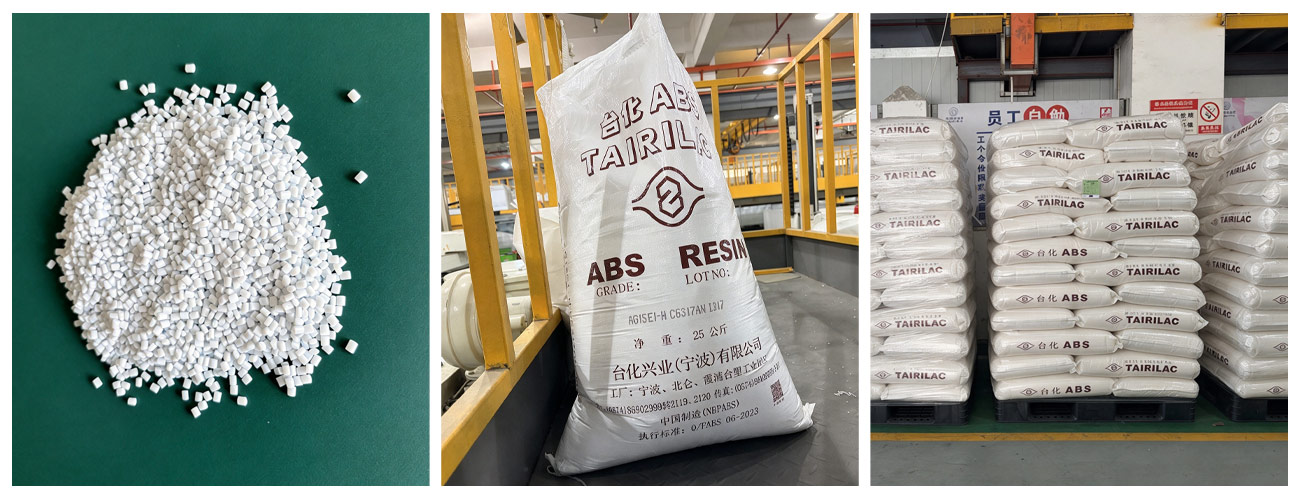
Material that fails evaluation, or arrives without valid documentation, does not enter production. The evaluation itself covers process capability, incoming and in-process inspection records, corrective-action history, and whether the supplier can repeat an identical specification on a second order six months later.
Inside the plant, handling follows the same discipline. Resins sit in sealed storage with humidity held below 60 percent, and when a line switches material the machine is fully purged so the previous batch cannot contaminate the new one. Material defects are rejected at the gate, so they cannot become a defect rate you absorb after arrival.
Before Assembly: Every Safety Valve on a Maker Sparkling Water Machine Is Tested on Its Own
The safety valve decides whether a pressurized bottle fails safely or dangerously. We do not assemble it straight out of the incoming box.
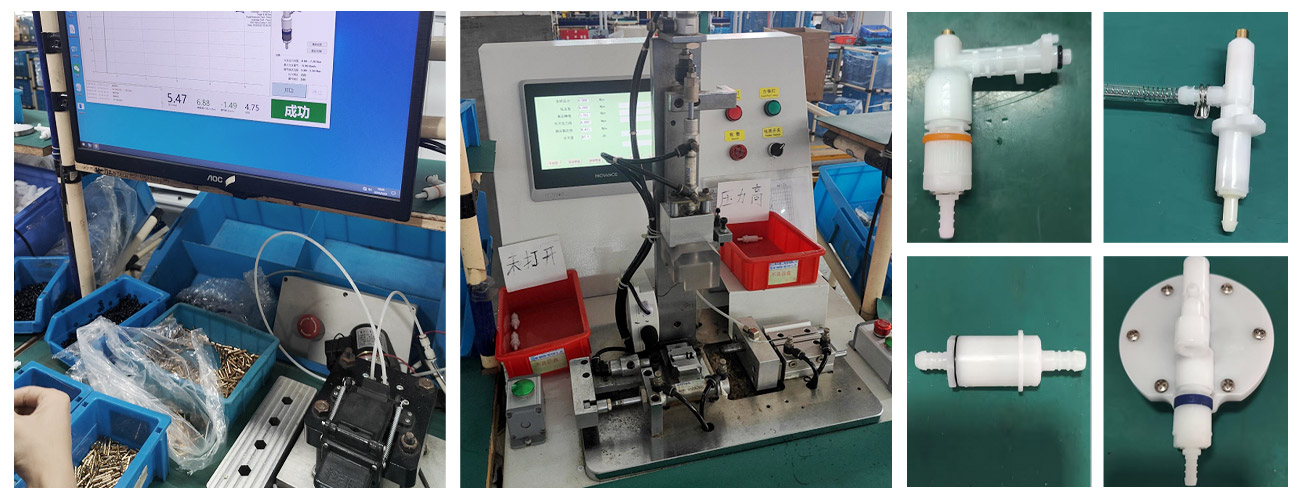
Every safety valve is tested independently before it reaches the assembly line. A valve that opens late, opens early, or sticks has no correct place in a finished machine — and finding that at the end of assembly means scrapping a completed unit instead of rejecting one small part. The valve sits behind most pressure-related field failures. Testing it upstream removes that failure mode before it can reach your customers.
In-Process Testing: Pressure Checks on Every Machine That Makers Sparkling Water
Once a unit is partly assembled, it is tested before it can progress. This is full inspection, not a spot check: the semi-finished machine is measured for pressure-relief value and pressure stability value — on every unit that moves down the line.
Pressure-relief value — does the valve release at the correct threshold, so the bottle cannot be over-pressurized?
Pressure stability value — does the unit hold working pressure without drifting, which decides whether carbonation is consistent bottle to bottle?
Targets are fixed numbers, not operator judgement: working pressure 0.5–0.9 MPa. A unit outside those limits stops at the station where the fault occurred, while the cause is still traceable. Every reading is recorded against the work order, which is what allows a delivered batch to be traced back to its production conditions if a question arises months later.
Final Retest and Appearance Screening for a Maker Sparkling Water Machine
Assembly completes, and the unit is tested a second time. Nothing is carried over from the first pass.
The finished machine goes through a full functional test — carbonation function and pneumatic behaviour — followed by another 100% check of pressure stability. Testing the same parameter before and after the housing closes catches faults introduced by assembly itself: a torqued joint, a seated seal, a hose routed against a sharp edge.
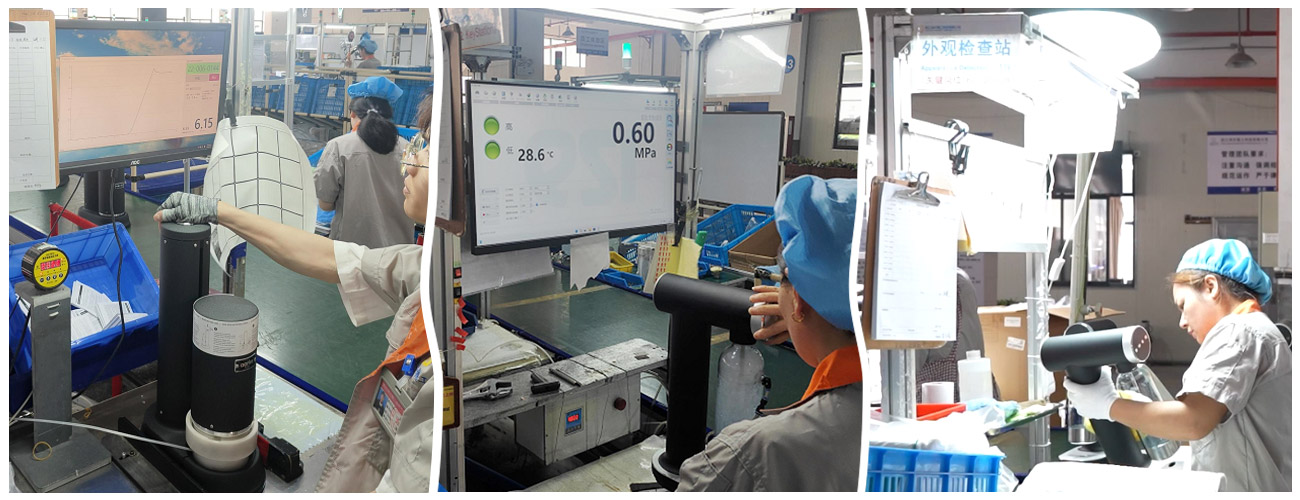
Only then does appearance screening begin: surface defects, color consistency against the approved standard, print registration, assembly marks — every unit. Appearance standards are approved before production starts, so "acceptable" is a documented reference rather than an inspector's opinion on the day. Cosmetic faults generate returns even when performance is fine. This stage keeps unboxing complaints off your support desk.
Packing and Pre-Shipment Sampling for a Machine to Maker Water Sparkling
A unit that passes testing can still reach a customer incomplete — the last failure mode, and a packing problem rather than a production one.
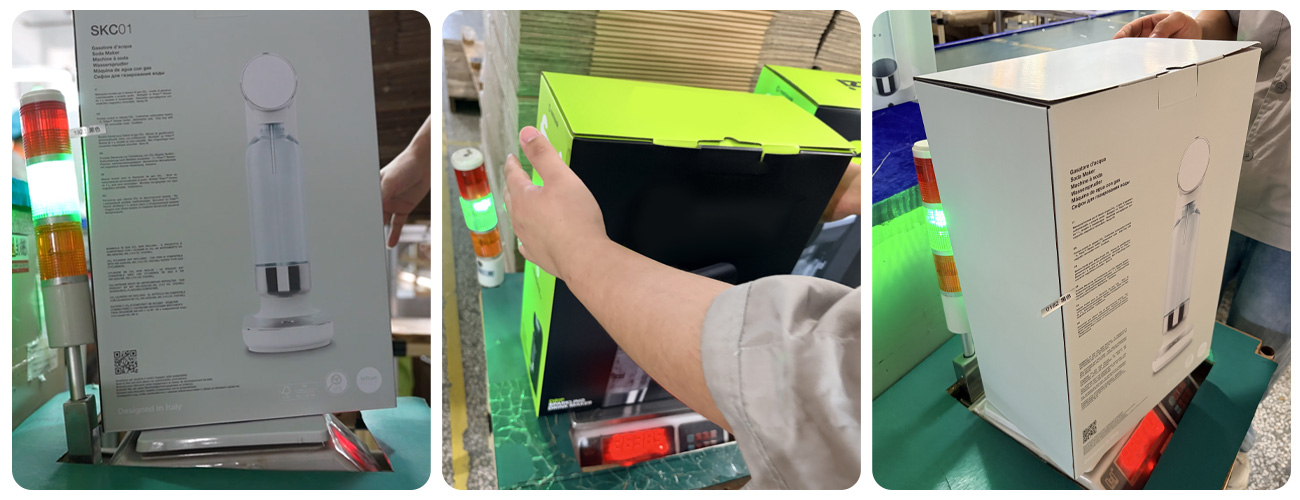
After appearance approval, each machine is cased and every carton is weighed against the expected figure for that model and accessory set. A carton that comes in light is missing a bottle, a drip tray, or a manual, so it is opened and corrected before sealing. No unit ships with a silent short shipment inside it.
Separately, each production batch undergoes sampling inspection before bulk shipment, measured against our reliability test set — product life, salt spray, multi-temperature cycling, pressure-bearing, transport simulation, CO₂ pressure endurance, air tightness, burst safety — with fixed pass/fail thresholds. The full data is published in our article on scale manufacturing and soda maker cost.
What it saves you: short shipments and batch-level defects are the two claims that cost most per incident. Both are caught before the container is loaded.
Frequently Asked Questions About Soda Maker Quality Control
Which stages are 100% and which are sampled?
Two are 100%: the semi-finished pressure test, and the finished functional and pressure-stability retest. Appearance screening and carton weighing cover every unit. Batch sampling is the pre-shipment stage.
Why retest after full assembly?
The faults differ. The semi-finished test catches component and sub-assembly problems while they are accessible. The finished retest catches anything introduced by final assembly.
What are your pressure pass criteria?
Working pressure 0.5–0.9 MPa, carbonation density no less than 2.6 g CO₂. Units outside those limits do not move forward.
Request the Test Reports and QC Documentation for Your Maker Sparkling Water Machine
If you want to see the inspection stations running, we will walk you through the line and show the test records for the model you are sourcing. Send a short inquiry with your target model or market. If you are already comparing suppliers, the same file set works for a side-by-side comparison. Contact us to arrange a factory visit or request a quote.